A firmware engineer’s perspective on the competitive landscape of Taiwan’s electric-assisted bicycle market
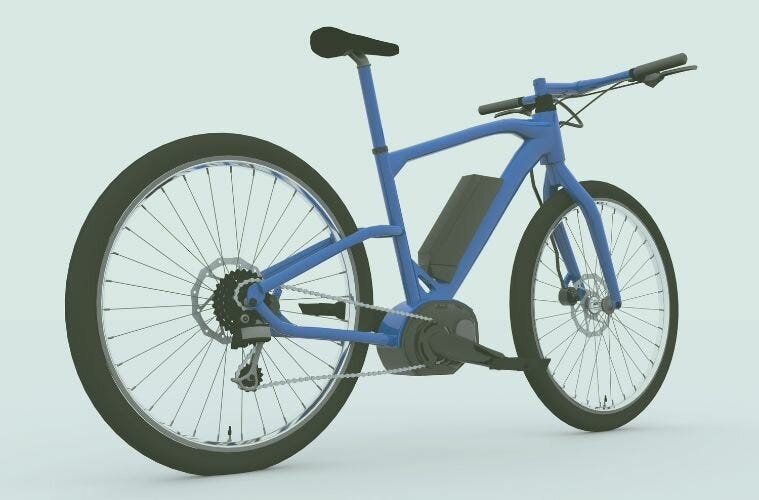 Credits: https://www.environmentenergyleader.com/stories/e-bike-market-to-reach-715-billion-by-2030,54374
Personal Perspective
As a firmware engineer working for an e-bike component supplier in Taiwan, I often find myself wondering about the future trajectory of our industry. This uncertainty led me to conduct a Porter’s Five Forces analysis of Taiwan’s e-bike industry, aiming to better understand the competitive dynamics and future opportunities in this rapidly evolving sector.
Taiwan has long been known as the “Bicycle Kingdom,” and now stands at the crossroads of traditional manufacturing excellence and modern electric mobility innovation. Through this analysis, I hope to share insights that could be valuable for other industry professionals, whether they’re engineers, business strategists, or industry observers.
The Power Play: Understanding Industry Competition
1. Intense Battlefield: Current Competitive Landscape
The e-bike market in Taiwan presents a fascinating mix of traditional bicycle giants and innovative tech startups. Local champions like Giant and Merida compete alongside tech-savvy newcomers and established motor system providers like Bosch and Yamaha.
What makes this space particularly interesting:
- Market concentration shows the top three brands commanding 45% market share
- A surge of innovative small and medium-sized brands is reshaping the landscape
- Taiwan’s unique position as both a manufacturer and innovator in the global supply chain
The competition isn’t just about the product anymore. While basic functionalities remain similar, the battleground has shifted to:
- Advanced motor systems integration
- Battery life and charging solutions
- Design aesthetics and user experience
- After-sales service networks
2. The Supply Chain Challenge
Perhaps one of the most critical aspects of the e-bike industry lies in its supply chain dynamics. With battery costs comprising 30–40% of total production costs, suppliers wield significant influence.
Key supply chain insights:
- Core component suppliers maintain strong bargaining positions through technological expertise
- Battery and motor system suppliers are highly concentrated
- General component suppliers offer more competitive pricing
- Supply chain localization efforts are gradually reducing dependency
3. The Consumer Perspective
Today’s e-bike consumer is more informed and demanding than ever. The market serves diverse segments:
- Individual commuters seeking sustainable transportation
- Business users in delivery and logistics
- Shared mobility service providers
Consumer behavior shows interesting patterns:
- Growing brand loyalty despite numerous options
- High emphasis on after-sales service
- Increasing focus on total ownership cost
4. New Entrants: Opportunity and Challenge
The e-bike industry presents an interesting paradox for new entrants. While technical barriers are relatively low, building a successful brand requires significant investment.
Entry considerations include:
- R&D capabilities
- Manufacturing scale
- Brand development
- Service network establishment
- Regulatory compliance
5. The Substitute Challenge
E-bikes face competition from various transportation alternatives:
- Traditional bicycles (lower cost)
- Electric scooters (greater range)
- Public transportation (convenience)
- Shared mobility solutions (flexibility)
Strategic Implications for Industry Players
Success in the e-bike industry requires a multi-faceted approach:
- Product Innovation
- Focus on unique features
- Enhance user experience
- Improve battery technology
- Brand Development
- Build strong service networks
- Engage community building
- Establish trust through quality
- Supply Chain Optimization
- Diversify supplier relationships
- Consider vertical integration
- Invest in local supply networks
- Market Expansion
- Target specific user segments
- Develop service-based models
- Build omnichannel presence
From an Engineer’s Perspective
As a firmware engineer, I see firsthand how technological innovation drives industry dynamics:
- Motor control systems becoming increasingly sophisticated
- Integration of IoT and smart features
- Battery management systems growing in complexity
- Growing emphasis on software differentiation
Looking Ahead
The e-bike industry in Taiwan stands at a fascinating crossroads of traditional manufacturing excellence and modern technology innovation. For those of us working in component suppliers, success will depend on our ability to:
- Stay ahead of technological trends
- Maintain strong relationships with both domestic and international partners
- Continue innovating while maintaining quality
- Adapt to changing market demands
The future may be uncertain, but understanding these industry forces helps us better prepare for what’s ahead.
About the Author: A firmware engineer in Taiwan’s e-bike industry, passionate about understanding both the technical and business aspects of the electric mobility revolution.